Information on Crete

Geography and Natural History

Crete is the fifth largest island in the Mediterranean with a land mass of approximately 8,336 sq.m. It is 260 km long and varies between 12 and 60 km in width and there is one place in eastern Crete where one can see both the Cretan and Libyan seas. The island is divided into four administrative regions, known as Nomos, Chania in the West, Rethymno and Heraklio in the Centre of Crete and Lassithi in the East.

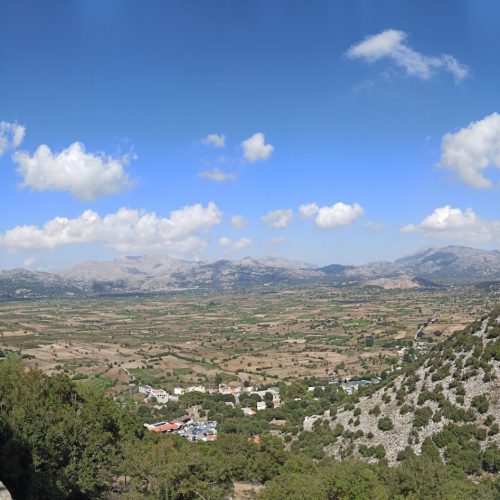
The magnificent landscape of Crete is very mountainous with great gorges, caves and high plains. There are four mountain ranges, the Ida mountains in central Crete (2,456 meters high), the Lefka Ori or the White Mountains (2,452 meters high) in the west, the Dikti Mountains (2,148 meters high) and the Sitia Mountains (1,476 meters high) in the east of the island. There are endless opportunities to go walking and trekking in the mountains, most of which are covered in a variety of trees and shrubs, and have verdant high plains and plateau with fabulous vistas.

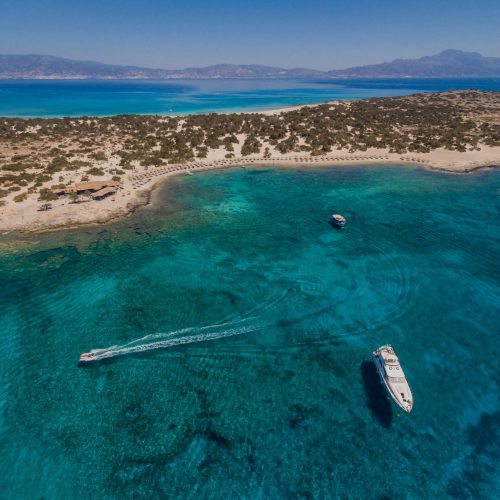
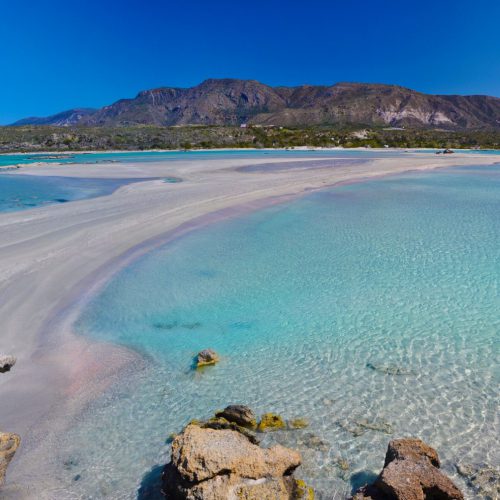
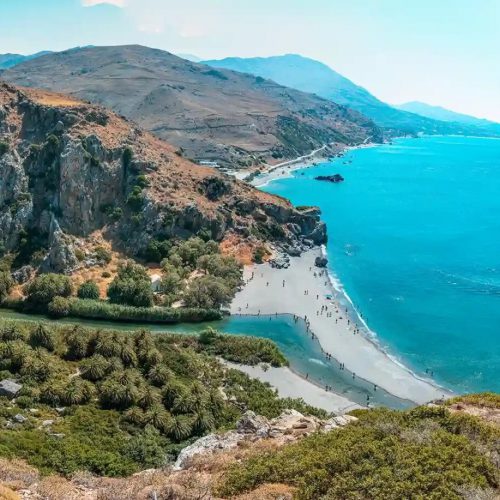
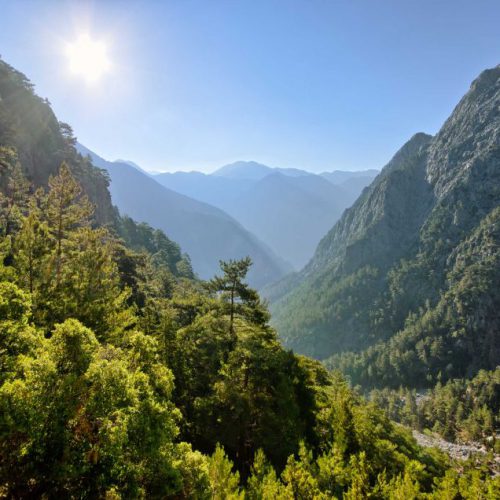
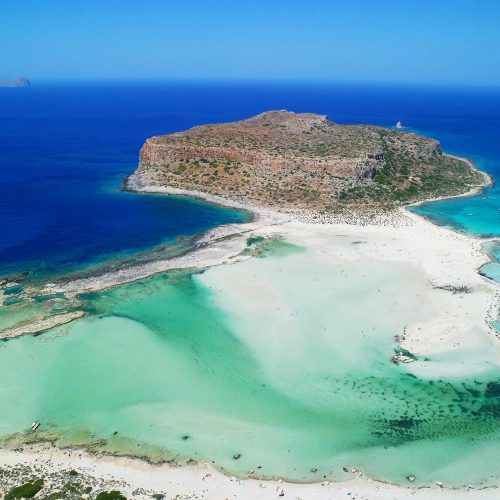
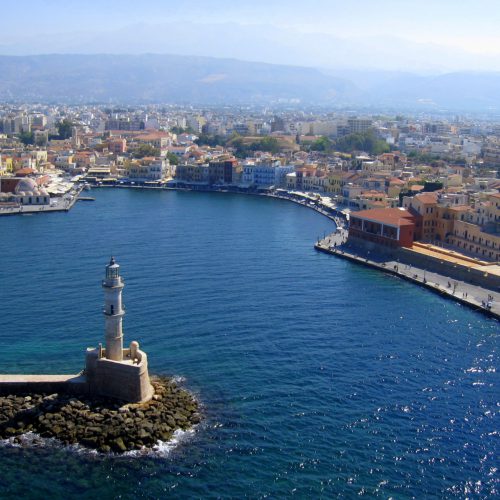
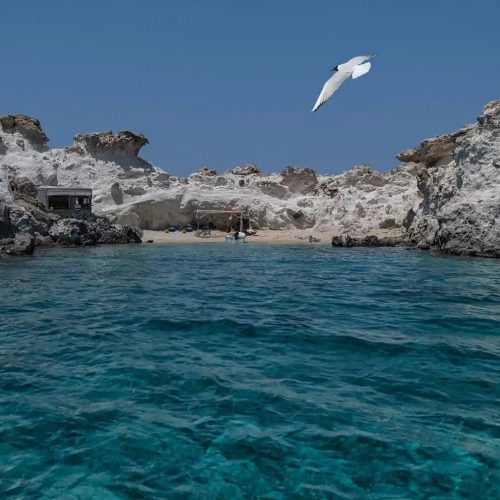
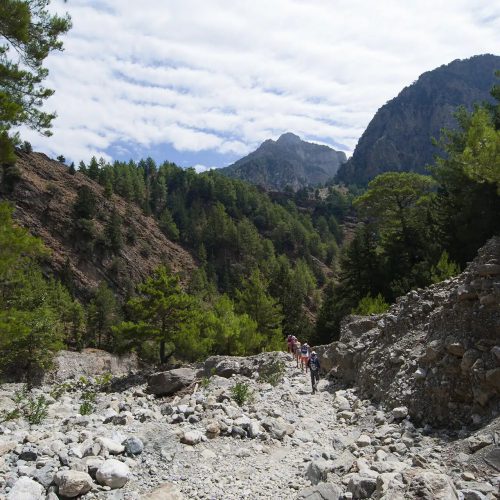
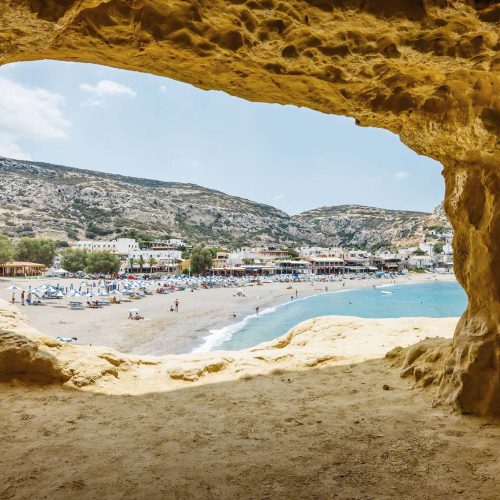
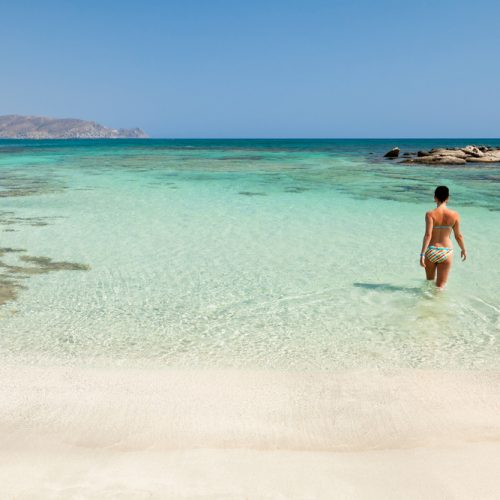
Aside from the majestic and inspiring mountain ranges of Crete, the variety of its wonderful coastline is equally stunning. The most spectacular of the Cretan gorges is the famous Samaria Gorge, which at 16 km long is the largest gorge in Europe. From somewhere in the region of a total of 3,000 caves, the cave on Mount Ida and Mount Dikti have become the most famed for their rich archeological discoveries. Out of the total length of its 1046 km coastline, there are 155 km of beaches, most of which lie on the north coast, while in contrast, the South coast is a haven of little bays and small sandy coves ideal for swimming. On the north coast there are vast glorious sweeping bays, the most striking of which are Kissamos, Souda, Almiros, Malia, Mirabello and Sitia. The beautiful Bay of Souda is the largest natural harbour in the Mediterranean.

Cretan flora and fauna is well known for its vast variety. The great changes in climate and geology over millions of years have had a profound effect on the island's plants and animals and as a result of this, today there are many varieties which can only be found on the island of Crete. One is welcomed by the picture postcard Mediterranean vista of endless blue sea and the mesmerising silver green hue of olive trees, where once there were towering Cypress trees and pine forests. Crete attracts many people who are interested in plants and they come to see the rich variety of flowers, herbs and trees.

▲ Page Top

Climate

Crete is the most southerly part of Europe, lying to the south of the North African cities of Tunis and Algiers. It has over 300 days of sunshine each year, yet in the summer months the intense heat is eased on the north coast by the breezes of the "Meltemi". In Spring there is a virtual explosion of wild flowers which makes the island a sight to behold and a joy to the senses. The start of the break up of the long dry months begins in October and November signifying the beginning of winter yet even the winter months can often have periods of lovely bright and warm sunny weather.

Crete Jan Feb Mar Apr May Jun Jul Aug Sep Oct Nov
Rainfall 48 41 41 23 18 7 5 8 10 53 55
Min Temp (C) 9 9 10 14 18 20 23 23 21 18 14
Max Temp (C) 17 17 17 20 27 30 31 31 28 27 23

▲ Page Top

Language

Within the past ten years it has been remarkable how many Greeks have learnt to speak conversational English. It is no longer necessary to have even a few Greek words to converse, but an attempt to speak in Greek is always warmly welcomed so we list a few of the most commonly used words.

good morning

kalimEra

I come from

ime Apo

good evening

kalispEra

how much does it cost

POso KAni

good night

kalinIhta

Greek coffee

KafE ElinikO

good bye

yAsas

fresh orange juice

frEsko khimO portokAli

very good

polI kalA

red wine

kOkino krasI

I would like

tha Ithela

white wine

Aspro krasI

thank you

efharistO

could I have the bill?

Tha borUsa na Ekho

excuse me

signOmy


to lagharisamO?

you are welcome

parakalO

port

limAni

how are you?

ti kAnete

airport

aerodrOmio

and you?

ke essIs (*f) / essI (*i)

station

stathmOs

I don't understand

den katalawEno

taxi

taksI

▲ Page Top

People

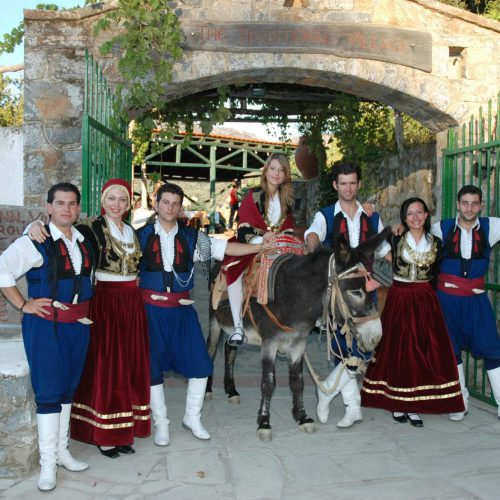
The Cretan population of 600,000 has retained its very distinctive values and traditions throughout a long, long history of many different outside influences as well as retaining a warmth to visitors and a willingness to change. Some years ago, the Catholic Archbishop of Athens, L. Petit, described the inhabitants of Crete in the following way. "A truly admirable people, that despite 4000 years of turbulence, has kept its national identity and pure language, displaying courage mixed with a sense of independence which borders on stubbornness, supreme liveliness, fertile imagination, colourful and descriptive language, great spontaneity and a laid back approach to life, a love of adventure, a fierce need for freedom along with an enduring desire to express their individualism.

As there are no natural mineral resources, there is no industry on Crete worth mentioning. More than half the population are farmers, who work the land or breed sheep, goats, pigs and fowl. Tourism on the other hand creates the largest source of employment and offers the best opportunities for personal initiative. When you visit Crete you may well want to join one of the many festivals, beloved by Cretans who love to get together to celebrate with traditional music and dance and where guests are always welcome. Christenings and weddings are still big events, and sometimes the joyful enthusiasm of the gathering reaches such proportions that the men fire their shotguns into the air. The wine harvest is in the early autumn and followed by spontaneous celebrations at the many family distilleries, because the production of the local firewater, raki, offers a good opportunity for a party. Christmas, Easter and Maria's Ascension Day on the 15th August, are very important days in the calendar, as the people still care deeply for their religious traditions. In the summertime there are plenty of celebrations, as well as rural festivals in various villages during harvest time.

▲ Page Top

Cretan Diet

The island of Crete is one of the most naturally healthy places in the world, where the people incorporate thousands of plants and herbs as part of everyday nutrition.

The islanders have developed a particular diet, which has now been proved to be one of the most healthy in the world. The basics of this diet are bread, pulses, nuts, vegetables, fruit, meat, fish, olive oil, cheese, spices, and wine.

From these ingredients in a great variety of combinations, spring the delicious array of Cretan specialities. Research which started in 1960, using data from seven countries, concluded in 1986 that as a result of their diet, Cretan people suffered notably fewer deaths as a result of heart attacks, various forms of cancer and other diseases compared to all of the other places in the study.

From a separate and further study, it was concluded that not only was the Mediterranean cuisine better for the heart and produced fewer heart attacks, but the Cretan diet was in particular extremely healthy. A large part is played by the island's olive oil, which is produced in vast quantities on Crete and is basic ingredient in a multitude of dishes. So now increasingly, even in hotels, there is a demand for traditional Cretan specialities, and requests for old recipes. Therefor, not only does Crete offer a healthy climate but a particularly excellent diet. So for those who are curious and possess a modicum of courage, we have included some Cretan recipes with which to test out your culinary skills.

Courgettes, Aubergine and Potato Moussaka

For 8-10 people 1 kg Lamb mince, 150 ml Olive oil, 2 onions, 6 medium sized courgettes, 3 aubergines, 6 medium sized peeled potatoes, 100 ml wine, 1-2 dessert spoons of tomato puree, Salt, pepper, Bechamel Sauce: 1 litre of milk, 2 eggs, 150 g grated cheese, Salt, pepper, nutmeg Gently saute the onions in the oil and add the mince, turning until browned. Add the wine and tomato puree and leave to slowly simmer. Saute the thickly sliced courgettes, aubergines and potatoes - or alternatively these can be baked in a little oil in a hot oven, which will make the dish lighter. Grease a rectangular casserole dish with a little butter, scatter over with a little sieved flower. Then add in the following order, a layer of potato, minced mixture, courgettes, and minced mixture again. Make up the Bechamel sauce as follows: Heat the butter in a saucepan and make a roue with the flour by continuously stirring over the heat for a minute. Then add the milk in small amounts until the sauce thickens. At the end add the beaten eggs, salt, pepper and nutmeg. Pour the sauce over the meat, sprinkle with cheese and bake in a pre-heated oven at 200 C until it is golden brown on top.

Kreas jouvetsi me kitharaki (Lamb stew with rice pasta)

For 5 to 6 people 1 kg Lamb, 100 ml Olive oil, 4 to 5 ripe tomatoes, 500 g rice pasta, 150 ml water, 150 g grated cheese, Salt and pepper Cut the meat into small pieces and place in a casserole dish, or into 5 small individual dishes. Puree the tomatoes in a processor. Season the meat with salt and pepper, and add the pureed tomatoes. Add the oil and water and bake in a pre heated oven at 200 C until just tender. Before the neat is ready, prepare a saucepan of salted boiling water and cook the rice pasta. Strain the noodles, add then mix in with the meat and bake for further 15 minutes. Sprinkle with grated cheese and serve.

Paradosiako Stifado me Mosharaki (Veal casserole with onions)

(For 6 people) 1 kg veal, 150 g Olive oil, 1 kg onions, 2 cloves of garlic, 2-3 Bay leaves, 500 ml red wine, Salt, pepper, fenugreek Cut the meat into cubes. Heat the oil in a saucepan and add the roughly sliced onions and bay leaves. Saute the meat adding the chopped garlic, and when the meat is browned, add the wine until the meat is covered. Add the chopped garlic and fenugreek and simmer. Finally add salt, pepper and fenugreek and cook until tender.

Lagos Krasatos (Hare in Wine)

For 6 people 1 large rabbit (or hare), 300 ml red wine, 2 or 3 onions, 2 cloves of garlic, 3 or 4 bay leaves, 2 or 3 cloves, Salt, pepper, 2 dessert spoons of flour, 150 ml olive oil. Marinade the rabbit or hare the night before. Firstly slice the onions, and garlic and place into a casserole dish. Add the rabbit, bay leaves, cloves, pepper and pour over wine. Leave in cool place over night. Drain the flesh, retaining the marinade, and saute the pieces of rabbit in a pan with the oil. Dust with the sieved flour, and turn a few times. Add the liquid from the marinade, and bring to boil. Simmer gently until tender.

Psari me bamies (Fish with Okra)

For 6 people 1 kg White Fish such as Cod, 1 kg Okra (Ladies Fingers), 150 ml Olive Oil, 500 g tomatoes, 1 to 2 onions, a little lemon juice, Salt, pepper. Wash the fish and drain. Wash and trim the Okra, place in a saucepan with lemon juice and oil so that during the cooking they do not become to soft. Saute the onions in the oil in a saucepan and add the Okra, salt and pepper. Simmer very gently until the juices are reduced by half. Then take the half of the Okra away, lay the fish on top of the remainder and replace the remaining Okra. Cook gently for approximately 15-20 minutes. Serve immediately.

Dolmades me ambelofia (Stuffed vine leaves)

For 5 to 6 people

500 g of vine leaves, 500 g rice, 2 or 3 artichoke hearts, 2 onions, 2-3 courgettes, 2 potatoes, 300 ml olive oil, 1 lemon, Fresh mint leaves Place the vine leaves in boiling water for a few moments to soften. Drain and prepare the filling. Put the rice in a saucepan. Finely grate the potatoes, courgettes, onions and the artichoke hearts and add to the rice. Cut the mint into tiny pieces and add salt, pepper, oil and mix together. Place a spoonful or more of the filling onto each wine leaf and carefully wrap to create a small parcel. In a large pan, arrange the stuffed vine leaves in circular fashion and add just enough water to cover. Then leave to simmer gently until all the water is absorbed and the rice is tender. Before removing from the heat, squeeze the lemon and pour the juice over the vine leaves.

Baklavas

500 g filo pastry, 300 g finely ground almonds, 300 g finely ground walnuts, 2 teaspoonfuls of cinnamon, 1 teaspoon of ground cloves, 150 g butter, Syrup: 450 g sugar, 300 ml water, 75 g honey, 2 dessert spoons lemon juice, Vanilla essence Mix together the walnuts, almonds, cloves and cinnamon. Melt the butter and grease a rectangular baking tin and all of the leaves of the filo pastry. In the baking tin, lay out four sheets of pastry, and reserve a further four sheets. Now place a little of the filling on the sheets in the tin, and cover with two leaves of pastry. Keep repeating this until all the filling is used up. Then add the reserved four sheets of pastry to the top and tuck in all around. Cut the Baklava into squares, pour over the rest of the butter and bake in a pre-heated oven at 200 C until golden brown. Place all the ingredients of the syrup together in a little pan and bring to the boil, simmer for 5 to 10 minutes and pour over the hot Baklava.

▲ Page Top

Wines

Crete is an island of sun and sea, but it is also the home of Dionysos, the God of wine. In mythology, Dionysos, married Ariadne the daughter of King Minos, and brought to Crete the Craft of wine making. Crete was one of the first places in ancient times to establish the tradition of growing grapes for the production of wine, and the oldest wine cellar in the world has been discovered on Crete. In ancient times, Cretan wine was famed for its excellence and exported throughout the ancient world.

Amphora bearing the mark of "Vinum Creticum Excellens" have been found in a great numbers in Rome, Lyons, Athens, Egypt and Corinthia. The wine is also mentioned in the ancient writings of Homer, Pausanias and Euclides and in many other old European texts...even in the great works of Shakespeare.

In the Byzantine era, and through the Middle Ages, it wasn't only Cretan wine in general but specific makes of wine such as 'Malvuasia' which became well known.

The Italian Buondelmonti, in the 15th century, listed the export abroad of 20,000 barrels of Cretan wine. However, in the 19th Century many vineyards were destroyed as a result of the battles between the Turks and the Greeks. For 2000 years wine. which is high in alcohol content, full of bouquet and taste, has been a daily part of the Greek diet. Still today thanks to the sun, Cretan grapes grown in traditional style vineyards produce some excellent red and white wines, and the island alone provides a fifth of the total wine production of Greece. Wines such as 'Mandilari', 'Kotsifali' and 'Liatiko' (which succeeded the ancient Malviasia) are among the better known Cretan red wines are produced in the areas around Archanes, Peza and Daphnes, near to Heraklion and Sitia. In smaller quantities, the white wines 'Viniana' and 'Romkios' are produced mostly in the areas around Heraklion and Kissamos. 'Maroulas' a sweet wine comes from the area around Chania.

In a world where increasingly there are fewer types of grapes producing ever-larger quantities of wines, it is reassuring to know that in Greece there is a wider range of grapes, which produce a rich selection of good wines.

▲ Page Top

The European Blue Flag

Following the 1987 Year of the Environment, the Foundation of Environmental Education in Europe (FEEE) founded a programme with the express purpose to grade and ensure the cleanliness of coastal areas. Successfully running for ten years, this programme is known as the European Blue Flag standard and has been adopted by 18 different countries. Each country has a national representative who works together with the Ministry of the Environment. The annual awarrd of the blue flag covers those beaches and marinas which fulfill the criteria of the programme. Greece has made great strides when one considers that in 1987 there were only 6 beaches entered and awarded the flag while 10 years later, in 1997, 311 beaches and 5 marinas were given the award. In Crete there are a total of 61 European Blue Flags. In order to qualify for the Blue Flag the coastal areas must achieve the following requirements.

▲ Page Top

Stop Sales Free Sales

Click to download brochure: PDF | ZIP

You can contact us by sending us a message through our form or by emailing us directly to web@kalamaki-travel.gr

Call Us

+30 28210 31995